Loved Ones
Our Services
Ngā mahi manaaki
The care and support we provide extends beyond the patient to their loved ones and whānau. Our holistic palliative care approach supports the patient and the people close to them—loved ones, their whānau and carers.
Our Care
Support is available before and after your loved one dies. We offer a range of services and resources that can help you navigate the palliative care journey. In death, just as in life, being prepared can help us to adapt and cope with what lies ahead.
Group grief support
Children and young people
- Music therapy
- Interactive drawing therapy
- Counselling


Counselling
Our counsellors offer whānau and loved ones a safe, confidential space to be heard. You may be grieving before your loved one dies (anticipatory grief), or you may need support after their death. You don’t have to wait—reaching out is a positive step for your wellbeing.
Music therapy
Music can be a powerful way to express feelings and stay connected. Our registered music therapist can work with you at home, at school, or at Cranford Hospice. Music therapy may help with:
- Self-expression and processing emotions
- Connecting with memories and with other people
- Reducing anxiety by helping you slow down and tune into your body
Interactive drawing therapy
Interactive drawing therapy is a gentle, guided way to explore feelings using simple drawing and conversation. You don’t need any artistic ability—the focus isn’t on making art, but on using words, images and feelings to understand what you’re going through.
Caregiver support
If you’re caring for someone with a life-limiting illness, you don’t have to do it on your own. Our caregiver support coordinator can offer guidance, practical education and one-to-one support to help you care for your loved one and look after yourself, too.
Hospice New Zealand has a comprehensive guide for carers. Ask us for a printed copy, or use the digital version.
Social work
Our social workers can help you feel informed, supported and involved in what’s happening for your whānau. If you need support beyond hospice, we can also help connect you with other services.
- Funeral and estate planning.
- Help navigating health, legal and social support systems in New Zealand.
- Family meetings, conferencing and mediation
- Liaising with other services and community resources.
- Counselling and therapeutic support.
Kaitakawaenga | Māori liaison
We are committed to providing culturally safe support for Māori, so you feel cared for, informed about your choices, and aware of the services and resources available. Our Kaitakawaenga can support you and your whānau by:
- helping you navigate Cranford Hospice services
- bereavement support and tautoko when preparing for tangihanga
- connecting you with Māori support services and networks
- being a neutral person to kōrero with as things change.
Spiritual care
Spiritual care is available for anyone—whatever your beliefs. Our team will listen with compassion and support you to explore sources of peace, comfort and hope. We can also connect you with Hawke’s Bay faith communities and contact other faith leaders if needed.
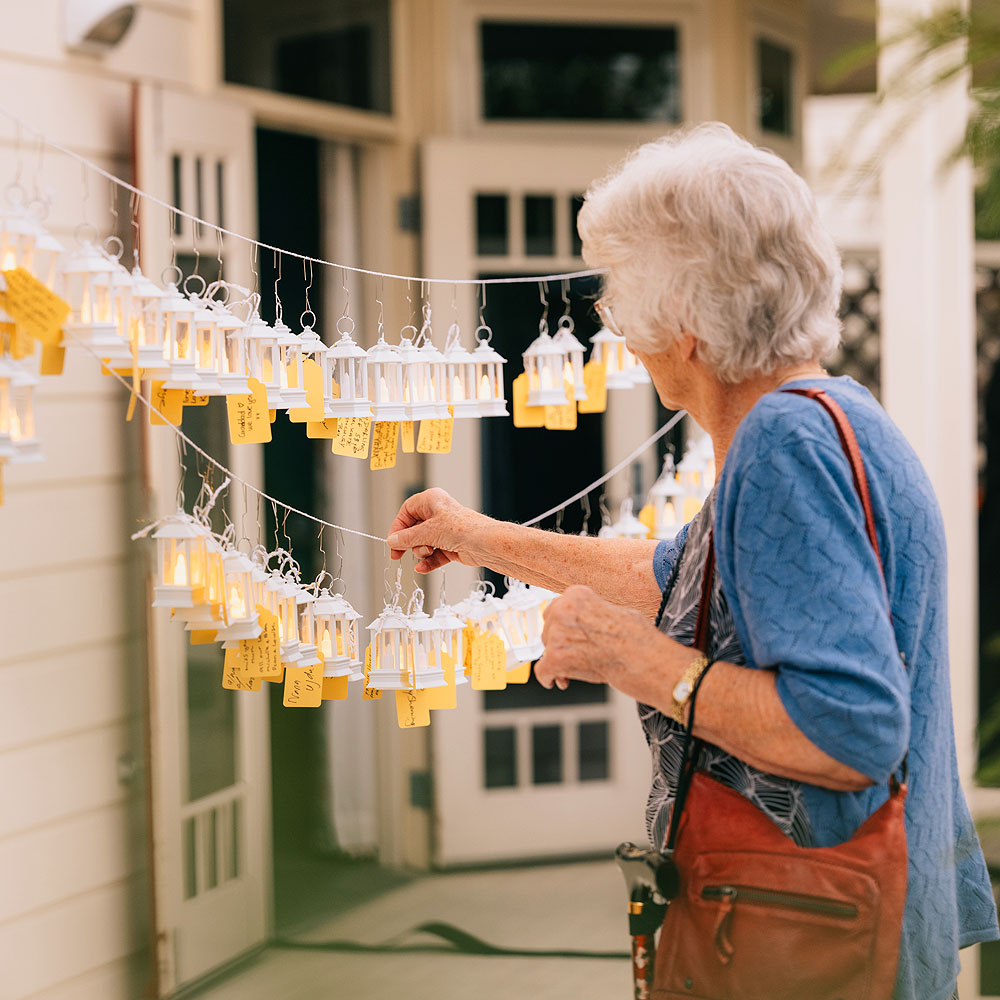
Each year we hold a non-religious remembrance service at Cranford Hospice to say thank you and remember loved ones who have died.
Community support
Emotional support is available throughout your loved one’s palliative care journey and after they have died. Our trained volunteers can meet with you in person or over the phone, and provide a safe space to talk through what you’re experiencing.